






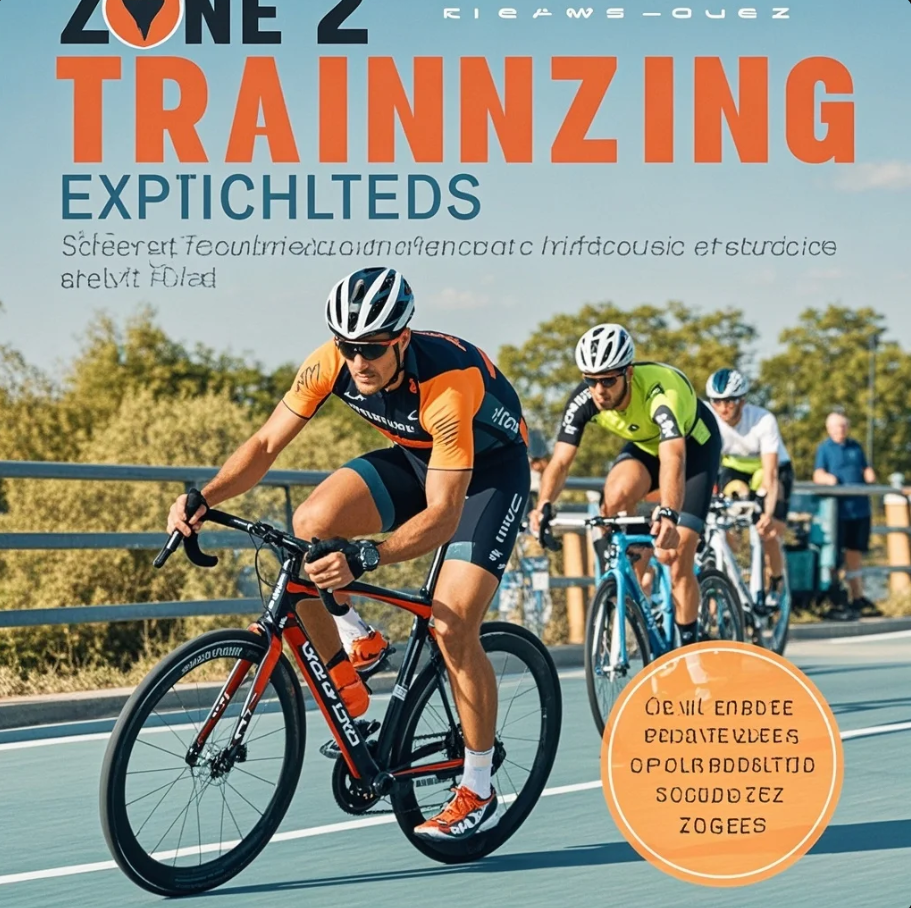
Zone 2 training is the easiest sustainable way to build endurance. Learn what Zone 2 is, heart-rate targets, talk test, benefits, mistakes to avoid, and a simple weekly plan.
If you’ve ever tried to “get fitter” by pushing hard every workout, you’ve probably hit the same wall most people do: fatigue, inconsistent progress, and workouts that feel like a battle. Zone 2 training is the opposite approach—and that’s why it works. It’s an easy, sustainable intensity that builds endurance without constantly draining you.
Zone 2 is often called the “engine-building” zone. It feels almost too easy, but the benefits stack up fast when you do it consistently.
1) What Is Zone 2 Training?
Zone 2 training is steady aerobic exercise performed at a moderate-low intensity—hard enough to stimulate endurance adaptations, but easy enough to maintain for a long time.
In practical terms, Zone 2 feels like:
- you can breathe steadily through your nose (most of the time)
- you can carry on a conversation in short sentences
- you finish feeling “worked,” but not wrecked
It’s not a sprint. It’s not a tempo run. It’s controlled, repeatable effort.
2) Why Zone 2 Builds Endurance So Well
Zone 2 is powerful because it targets the aerobic system—the part of fitness that supports long-duration performance and recovery.
Key adaptations include:
- improved mitochondrial density (your cells produce energy more efficiently)
- increased capillary networks (better oxygen delivery to muscles)
- better fat oxidation (you rely less on sugar for fuel at easy efforts)
- stronger aerobic base, making harder workouts easier later
This is why athletes often spend a large portion of training time in easy zones.
3) How to Find Your Zone 2 (Without Overcomplicating It)
There are multiple ways to identify Zone 2. You don’t need a lab test—just pick a method you can apply consistently.
a) The Talk Test (easiest)
- You should be able to speak in full sentences.
- If you can only say a few words at a time, you’re too hard.
- If you can sing comfortably, you may be too easy.
b) Heart Rate Estimate (common)
Zone 2 is often roughly:
- 60–70% of max heart rate (general estimate)
Quick max HR estimate (imperfect but usable):
- 220 – age = estimated max HR
Then calculate Zone 2:
- Example age 30: max HR ≈ 190
Zone 2 ≈ 114–133 bpm
(Use it as a starting point and adjust based on how you feel.)
c) RPE (Rate of Perceived Exertion)
On a 1–10 effort scale, Zone 2 is usually:
- 3–4/10
Easy enough to repeat daily.
4) Common Mistake: “Zone 2 That’s Not Actually Zone 2”
The biggest Zone 2 mistake is going slightly too hard—what many call “junk miles” or the gray zone (often Zone 3).
Signs you’re creeping too hard:
- you can’t talk comfortably
- breathing feels forced
- your pace drifts downward quickly over the session
- you feel unusually tired later in the day
Fix:
- slow down early in the workout
- keep effort stable, not pace
- accept that Zone 2 pace improves over time
5) How Much Zone 2 Do You Need Each Week?
The “best” volume depends on your schedule and fitness, but Zone 2 works even in small doses.
Practical targets:
- beginners: 2–3 sessions/week, 30–45 minutes
- intermediate: 3–5 sessions/week, 45–75 minutes
- endurance-focused: 5–6 sessions/week, including one longer session (75–120 minutes)
Consistency matters more than heroic workouts.
6) Best Activities for Zone 2
Zone 2 can be done with anything that keeps intensity steady:
- brisk walking (incline helps)
- easy jogging
- cycling
- swimming
- rowing
- elliptical
Tip:
- choose what lets you stay steady without spikes in heart rate
7) A Simple 1-Week Zone 2 Plan (Beginner-Friendly)
Here’s an easy template:
- Mon: Zone 2 – 30 min
- Tue: Rest or mobility
- Wed: Zone 2 – 35–45 min
- Thu: Strength (light–moderate) or rest
- Fri: Zone 2 – 30–40 min
- Sat: Long Zone 2 – 50–75 min (easy pace)
- Sun: Rest / easy walk
If you also do high-intensity workouts, keep them limited (1–2 per week) so Zone 2 volume stays high.
8) How to Progress Without Getting Injured
Progress gradually:
- add 5–10 minutes to one session each week, or
- add one extra Zone 2 day every 2–3 weeks
Rules that keep you safe:
- if joints hurt, switch to cycling or incline walking
- keep at least one full rest day per week
- sleep and hydration are part of endurance training
Kesimpulan
Zone 2 training is the easiest way to build endurance because it’s sustainable, repeatable, and it targets the aerobic system—the foundation for long-term fitness. You don’t need to smash every workout. You need to show up consistently at an intensity you can maintain.
Start with 2–3 Zone 2 sessions per week, keep it conversational, and let time do the heavy lifting.
Recommend :