


Skip to content

Bahia Sport & Lifestyle

Where Fitness Meets Leisure by the Coast

  • Atlet sedang berlari dengan ilustrasi sistem pencernaan transparan menunjukkan koneksi antara tubuh dan usus.
    The Connection Between Gut Health and Sports Performance Uncategorized
  • Atlet melakukan latihan pernapasan dengan latar matahari terbit, menampilkan keseimbangan antara kekuatan dan ketenangan.
    Why Breath Why Breath Control Is the Secret Weapon for AthletesControl Is the Secret Weapon for Athletes Uncategorized
  • Illustration of top recovery gadgets for athletes in 2025 including massage guns, compression boots, and smart wearables.
    Top Recovery Gadgets Every Athlete Should Try in 2025 Uncategorized
  • Seseorang mengenakan headset VR sambil berolahraga dalam ruangan modern.
    The Future of Virtual Reality Workouts Uncategorized
  • Athlete stretching on a yoga mat with water bottle, foam roller, and protein shake after an intense workout.
    Best Recovery Practices After Intense Workouts Uncategorized
  • Illustration of people enjoying outdoor dining with fresh food, greenery, and a wellness-inspired lifestyle.
    Outdoor Dining Trends for a Healthier Lifestyle Uncategorized
  • Ilustrasi seseorang melakukan stretching dengan diagram otot dan penjelasan ilmiah
    The Science Behind Stretching: Myths vs. Facts Uncategorized
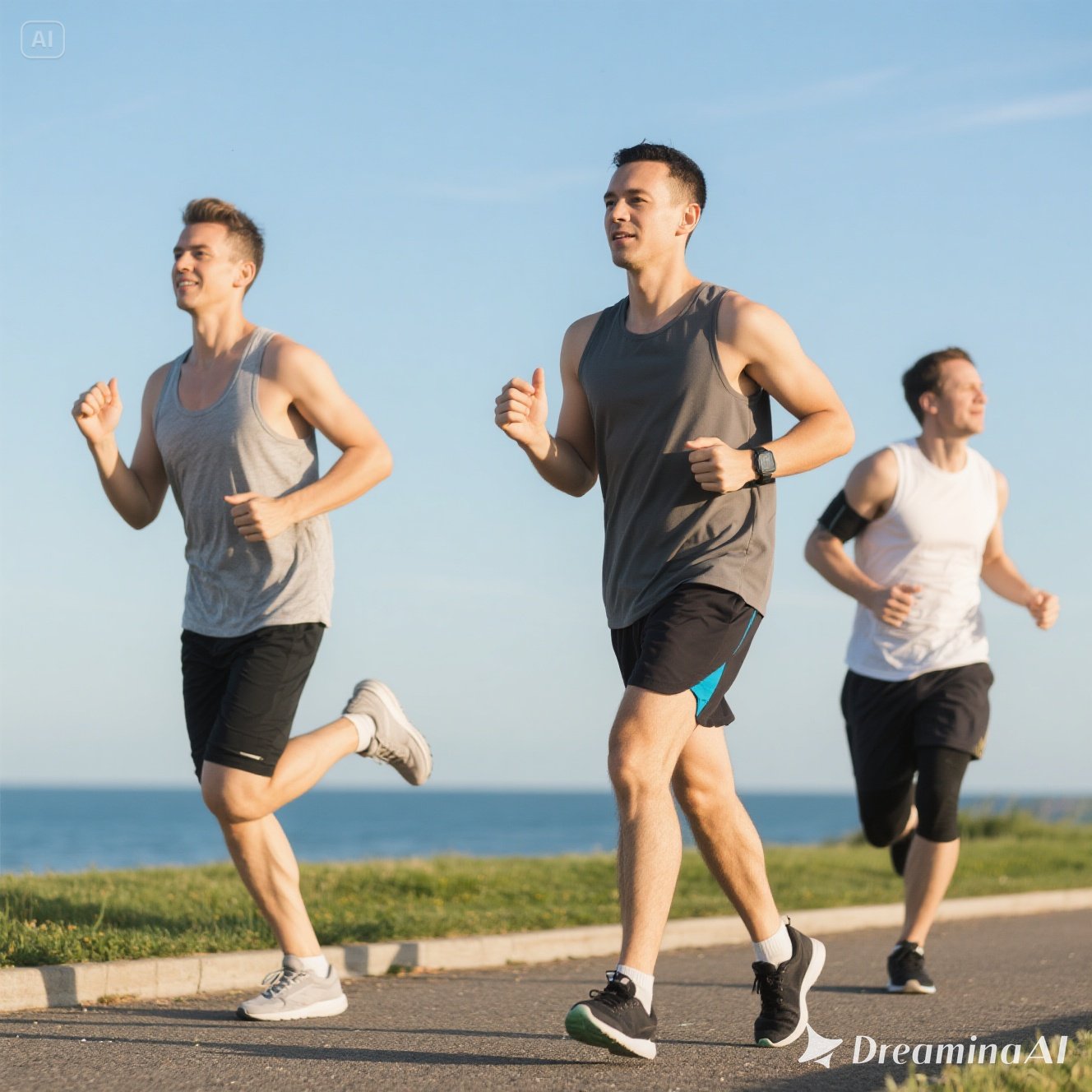
  • A runner jogging at an easy pace on a quiet road, checking a smartwatch heart-rate zone
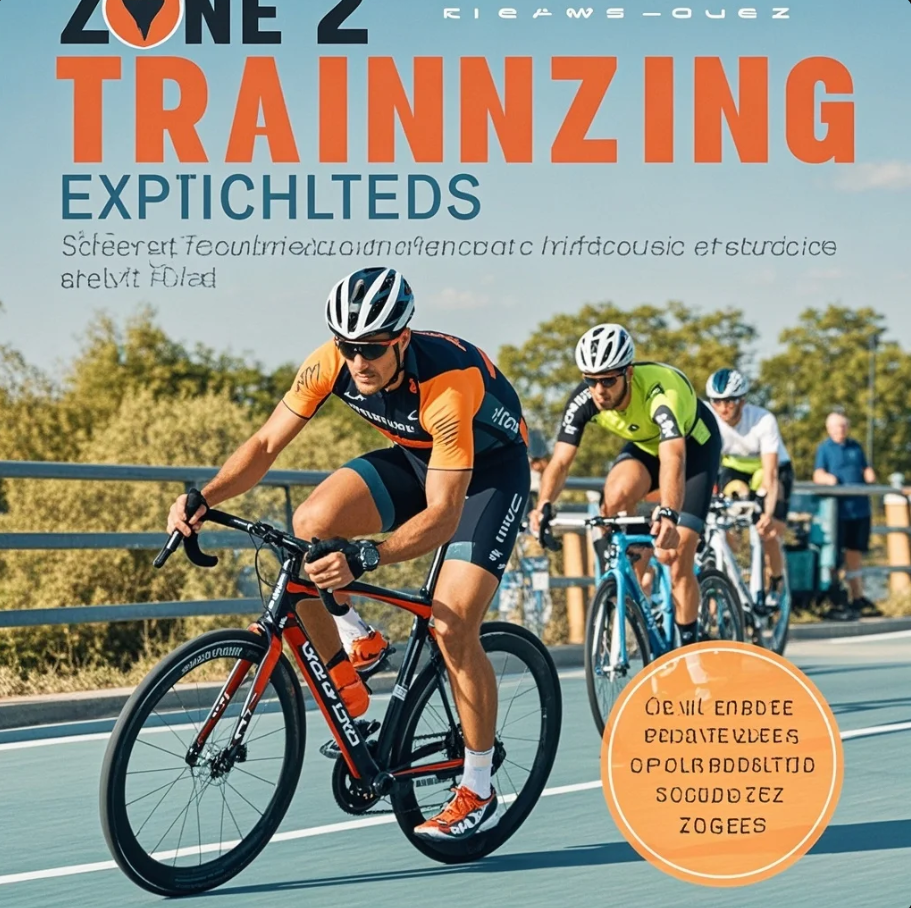
    Zone 2 Training Explained: The Easiest Way to Build Endurance Uncategorized
Person relaxing on yoga mat with water bottle and towel after workout, symbolizing rest and recovery.

Why Rest Days Are Crucial for Long-Term Fitness Goals

Posted on October 26, 2025October 26, 2025 By admin No Comments on Why Rest Days Are Crucial for Long-Term Fitness Goals

Discover why rest days are essential for muscle recovery, performance, and long-term fitness success. Learn how to balance training, recovery, and active rest effectively.

In the pursuit of fitness, many people believe that more workouts mean faster results.
However, this mindset often leads to burnout, fatigue, and even injury.
The truth is, rest days are just as important as training days — they are the hidden key to sustainable progress, recovery, and long-term strength.

In 2025’s fitness culture, where optimization and performance tracking dominate, understanding the science of rest is essential for achieving balance between effort and recovery.

Rest is not laziness — it’s part of the strategy for growth.


1. What Happens to Your Body During Rest

Every workout causes microscopic damage to muscle fibers.
It’s during rest periods — not workouts — that your body repairs and strengthens these fibers, resulting in muscle growth and improved endurance.

Rest days allow for:

  • Muscle recovery and reduced inflammation.
  • Replenishment of glycogen stores (the body’s primary energy source).
  • Hormonal balance restoration, particularly growth hormone and cortisol.
  • Central nervous system recovery, which is vital for coordination and focus.

Skipping rest prevents these processes, leading to plateaus, fatigue, or injury — a condition known as overtraining syndrome.


2. The Role of Rest in Performance and Progress

Consistent rest days improve your body’s ability to adapt to training.
They’re the moments when your body consolidates gains, allowing you to lift heavier, run farther, and train harder over time.

Benefits of Structured Rest:

  • Increased performance: Rest enhances strength output and reaction time.
  • Better sleep quality: Recovery improves REM cycles for deeper sleep.
  • Reduced injury risk: Muscles, joints, and tendons get time to heal.
  • Mental recharge: Taking a day off helps maintain motivation and focus.

Think of rest as the silent coach — working behind the scenes to help you perform at your best.


3. Active Recovery: Rest Without Stopping

Rest doesn’t always mean doing nothing.
Active recovery — light physical activity that promotes blood flow — can speed up healing and reduce stiffness.

Examples of active recovery include:

  • Walking or light jogging.
  • Yoga or stretching sessions.
  • Swimming or cycling at an easy pace.
  • Foam rolling and mobility work.

These activities keep the body moving while supporting circulation and muscle repair without adding significant stress.


4. How Often Should You Take Rest Days?

The ideal number of rest days depends on your training intensity and goals, but most fitness experts recommend:

  • 2–3 rest days per week for balanced programs.
  • 1 full rest day after every 3–4 days of intense training.
  • Deload weeks (reduced volume) every 6–8 weeks for long-term athletes.

Signs you need a rest day:

  • Persistent fatigue or soreness.
  • Declining performance.
  • Irritability or trouble sleeping.
  • Loss of motivation to train.

Listening to your body is the most accurate indicator of when to rest.


5. The Psychological Importance of Rest

Beyond physical recovery, rest days play a crucial role in maintaining mental health.
Constant training without breaks can lead to exercise burnout, where motivation and joy disappear from your routine.

Rest days allow your mind to reset — helping you maintain a positive relationship with fitness.
You’ll return to the gym with renewed energy, sharper focus, and better discipline.

Fitness is a marathon, not a sprint. Mental recovery keeps you running the long race.


6. Rest, Nutrition, and Sleep: The Recovery Trio

Rest alone isn’t enough — it works best alongside proper nutrition and sleep.

Nutrition Tips for Rest Days:

  • Consume lean protein to aid muscle repair.
  • Include complex carbohydrates to restore glycogen.
  • Hydrate adequately to support cellular recovery.
  • Add antioxidant-rich foods (berries, nuts, green tea) to reduce inflammation.

And don’t overlook sleep — the most powerful recovery tool of all.
Aim for 7–9 hours of quality sleep to allow your body to repair and reset effectively.


Conclusion

Rest days are not optional — they’re an integral part of a successful fitness journey.
They allow your body to adapt, rebuild, and grow stronger, while preventing burnout and injury.

Whether you’re a beginner or an athlete, understanding the balance between work and rest determines how far you’ll go.
In fitness — as in life — sustainable progress comes from consistency, balance, and smart recovery.

The strongest athletes aren’t those who train the hardest every day — but those who know when to rest.

Baca juga :

  • The Role of Mental Coaching in Athletic Success
  • Top Benefits of Pilates for Strength and Flexibility
Uncategorized Tags:ActiveRecovery, FitnessGoals, FitnessRecovery, HealthyLifestyle, MuscleGrowth, RestDay, WorkoutTips

Post navigation

Previous Post: The Role of Mental Coaching in Athletic Success
Next Post: How Dance Classes Are Redefining Fitness in 2025

Related Posts

  • People exercising at a public fitness park with outdoor gym equipment surrounded by greenery.
    Why More Cities Are Investing in Public Fitness Parks Uncategorized
  • People participating in an outdoor community fitness event together
    How Community Fitness Events Boost Local Wellness Uncategorized
  • Digital illustration showing a person exercising with dumbbells, a workout calendar, and fitness icons, symbolizing consistency in building a workout routine.
    How to Build a Consistent Workout Routine Uncategorized
  • A pair of minimalist shoes in a clean modern setting with natural tones and soft lighting.
    Why Minimalist Footwear Is Trending in 2025 Uncategorized
  • Illustration of a diverse group of runners jogging together outdoors in a scenic park at sunrise.
    The Growing Popularity of Outdoor Running Clubs Uncategorized
  • Ilustrasi siluet seseorang berolahraga dengan visualisasi tubuh ideal dalam bayangan cahaya.
    The Power of Visualization in Achieving Fitness Goals Uncategorized

Leave a Reply Cancel reply

Your email address will not be published. Required fields are marked *

  • guatogel

Recent Posts

  • Creatine for Fitness: Benefits, Myths, and How to Take It Safely
  • Foam Rolling: What It Helps, What It Doesn’t, and How to Use It
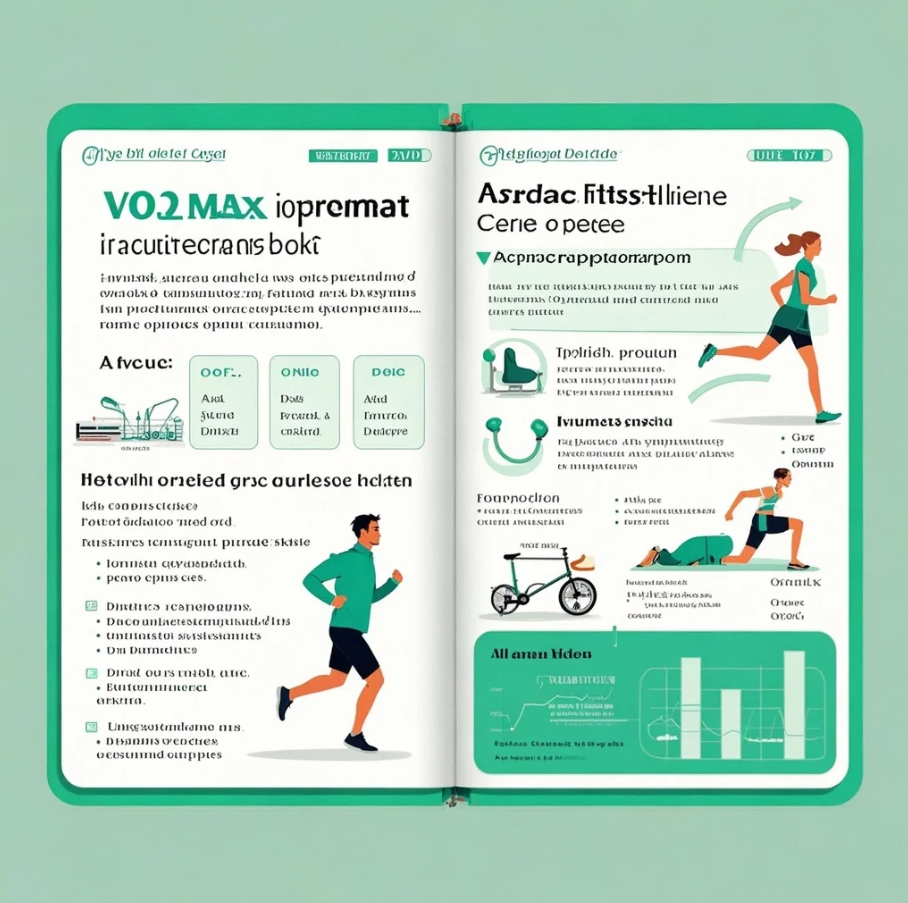
  • How to Improve Your VO2 Max Without Overcomplicating Training
  • Overtraining Signs You Shouldn’t Ignore (And How to Recover)
  • Deload Week Guide: When to Reduce Intensity and How to Do It

Recent Comments

  1. GUATOGEL on Best Outdoor Activities for Families in 2025
  2. emilly on The Connection Between Sports and Longevity
  • Healthy sports nutrition meal including oatmeal with bananas and blueberries, a smoothie, chicken salad with fresh vegetables, and a quinoa bowl with meat and broccoli.
    Sports Nutrition Tips for Active Lifestyles Uncategorized
  • Illustration of High-Intensity Interval Training, showing people performing intense exercises with timers and heart rate graphics.
    The Science Behind High-Intensity Interval Training (HIIT) Uncategorized
  • A 12-week workout calendar on a desk with dumbbells, a notebook, and a progress chart.
    How to Create a 12-Week Fitness Plan (Beginner to Intermediate) Uncategorized
  • Ilustrasi wanita melakukan Pilates di studio modern dengan posisi plank dan latar tenang.
    Top Benefits of Pilates for Strength and Flexibility Uncategorized
  • Illustration of top recovery gadgets for athletes in 2025 including massage guns, compression boots, and smart wearables.
    Top Recovery Gadgets Every Athlete Should Try in 2025 Uncategorized
  • Illustration of fitness retreat destinations with yoga, hiking, and beach workouts.
    Top Fitness Retreat Destinations Around the World Uncategorized
  • People practicing mindfulness and yoga at a serene digital detox retreat in nature
    How Digital Detox Retreats Promote True Wellness Uncategorized
  • Digital illustration showing a person exercising with dumbbells, a workout calendar, and fitness icons, symbolizing consistency in building a workout routine.
    How to Build a Consistent Workout Routine Uncategorized

Copyright © 2025 Bahia Sport & Lifestyle.

Powered by PressBook News Dark theme