

Skip to content

Bahia Sport & Lifestyle

Where Fitness Meets Leisure by the Coast

  • An athlete practicing mindfulness meditation before playing a competitive game.
    How Mindfulness Can Improve Your Game Uncategorized
  • Grup peserta fitness melakukan latihan bootcamp di area outdoor dengan pelatih.
    The Return of Outdoor Bootcamps: Group Fitness Reinvented Uncategorized
  • Collage of hydration essentials: water bottle, athlete drinking water, and hydrating fruits.
    The Science of Hydration: Tips for Active Living Uncategorized
  • Atlet melakukan latihan pernapasan dengan latar matahari terbit, menampilkan keseimbangan antara kekuatan dan ketenangan.
    Why Breath Why Breath Control Is the Secret Weapon for AthletesControl Is the Secret Weapon for Athletes Uncategorized
  • Seseorang melakukan olahraga petualangan di alam terbuka sebagai bentuk terapi
    Why Adventure Sports Are Becoming the New Therapy Uncategorized
  • Modern hybrid gym combining digital fitness screens with physical workout areas.
    Why Hybrid Gyms Are the Future of Fitness Communities Uncategorized
  • A calm beach view with gentle waves, blue sky, and a relaxing atmosphere symbolizing the mental wellness benefits of coastal living.
    How Coastal Living Improves Mental Wellness Uncategorized
  • Illustration of DNA strands merging with athletic figures running and lifting weights.
    How Genetics Influence Your Fitness Potential Uncategorized
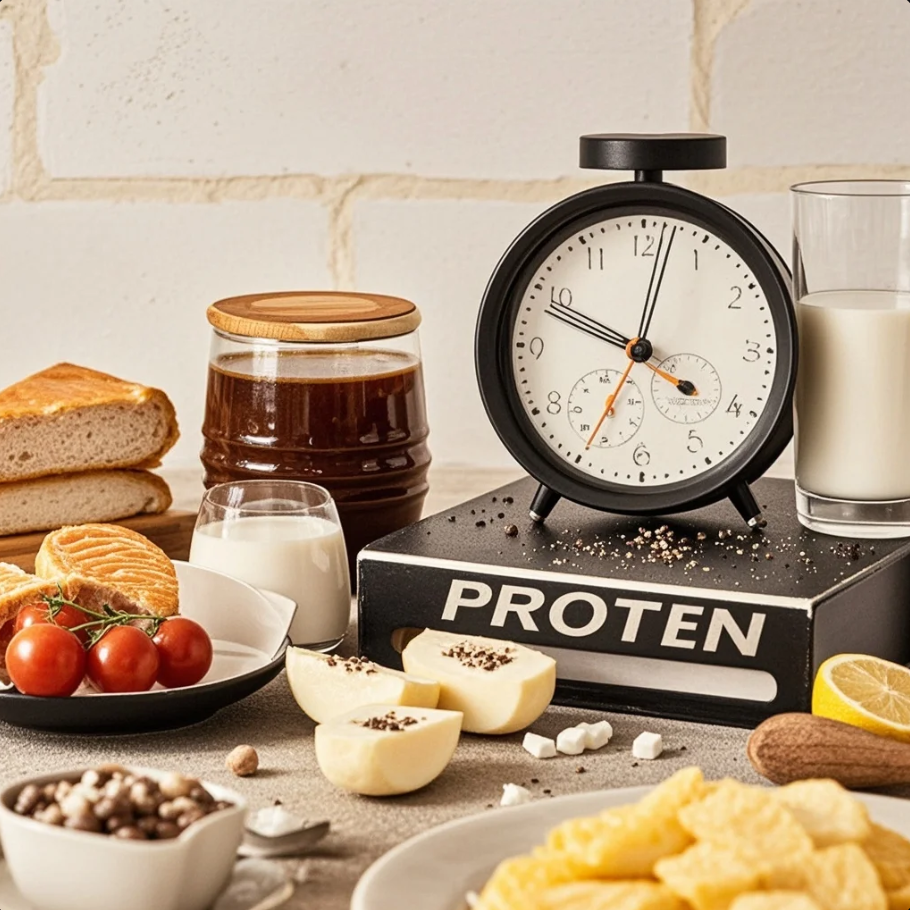
A protein shake next to a gym bag and a clock, suggesting timing around workouts.

Protein Timing: Does It Matter or Is Total Intake Enough?

Posted on December 22, 2025December 22, 2025 By admin No Comments on Protein Timing: Does It Matter or Is Total Intake Enough?

Does protein timing really matter for muscle growth and recovery, or is total daily intake enough? Learn what research suggests, practical timing rules, and how to plan protein around workouts safely.

If you’ve spent any time in fitness spaces, you’ve probably heard about the “anabolic window”—the idea that you must drink a protein shake right after training or you’ll “waste” your workout. In 2025, the conversation is more nuanced: total daily protein intake still matters most, but timing can provide a smaller, practical advantage, especially for certain goals and routines.

So what’s the real answer? Protein timing can matter—but it’s rarely the make-or-break factor people think it is.


1. The Big Picture: Total Protein Is the Foundation

For muscle growth and recovery, hitting an appropriate total daily protein target is the primary driver. If you consistently fall short on total protein, perfect timing won’t “fix” it.

Think of it like this:

  • Total intake sets the ceiling for progress.
  • Timing and distribution fine-tune the results within that ceiling.

If you’re choosing between “more total protein” and “perfect timing,” total protein wins almost every time.


2. What “Protein Timing” Actually Means

Protein timing usually refers to two things:

  1. When you eat protein relative to training
    • pre-workout, post-workout, or both
  2. How you distribute protein across the day
    • evenly spread vs. most protein in one meal

Timing isn’t just about the post-workout shake—it’s also about ensuring your body gets repeated “doses” of amino acids throughout the day.


3. The “Anabolic Window” Isn’t a Tiny Window

The classic claim is that you have a very short post-workout window (like 30 minutes) to get protein. In reality, your muscles remain more sensitive to nutrients for a longer period after training, and your overall daily intake matters more than a minute-by-minute deadline.

Practical takeaway:

  • You don’t need to panic-rush protein immediately after your last set.
  • But pairing protein with your meals around training is still a smart habit.

4. When Timing Matters More

Protein timing becomes more useful when:

  • You train fasted (early morning training with no pre-meal)
  • You have long gaps between meals
  • You’re cutting (calorie deficit) and want to protect lean mass
  • You’re older and may benefit from more structured protein distribution
  • You do high-volume training and need recovery consistency
  • You’re trying to maximize results after already getting basics right

In these cases, timing helps reduce “protein deserts”—long stretches where your muscles don’t get enough amino acid availability.


5. A Simple, “No-Stress” Protein Timing Rule

If you want a rule that works for most people:

  • Aim for a protein-containing meal 1–3 hours before training, and
  • another protein-containing meal 1–3 hours after training.

This covers the training window without forcing you to chug a shake immediately. If you can only do one of those, prioritize whichever fits your schedule.


6. Distribution: Spreading Protein Often Beats “One Big Dinner”

Many people hit their protein goals by eating very little all day and then a giant protein dinner. It can work, but a more effective approach for consistency is:

  • Split total protein into 3–4 meals per day
  • Include ~25–40g protein per meal (adjust by body size and goals)

Why it helps:

  • It supports repeated muscle protein synthesis “peaks”
  • It’s easier for appetite management (especially during a cut)
  • It can improve recovery day-to-day

7. What About Protein Right Before Bed?

Pre-bed protein is often recommended when:

  • your total protein is borderline
  • you train hard and want recovery support
  • you struggle to eat enough during the day

A light protein option before sleep can help you get more total protein without stuffing yourself at dinner. It’s not mandatory—but it’s a practical tool.


8. Best Protein Types for Timing (Keep It Simple)

You don’t need exotic supplements. Use what you can stick to:

  • Whole foods: eggs, chicken, fish, lean meat, tofu, tempeh, Greek yogurt
  • Whey protein: convenient for post-workout or busy schedules
  • Plant protein blends: useful if you’re dairy-free or vegan

If you’re sensitive to digestion, choose proteins that sit well in your stomach around training.


Conclusion

So, does protein timing matter—or is total intake enough?
Total daily protein intake is the main priority. Protein timing can help, but it’s typically a smaller “optimization” once your totals and consistency are in place. A practical approach is to eat protein within a few hours before and after training, and spread your intake across 3–4 meals for better recovery and muscle-building support.

Recommend :

  • Creatine for Fitness: Benefits, Myths, and How to Take It Safely
  • Foam Rolling: What It Helps, What It Doesn’t, and How to Use It
Uncategorized Tags:FitnessNutrition, MuscleBuilding, ProteinTiming, SportsNutrition

Post navigation

Previous Post: Creatine for Fitness: Benefits, Myths, and How to Take It Safely
Next Post: How to Train for Fat Loss Without Losing Muscle

Related Posts

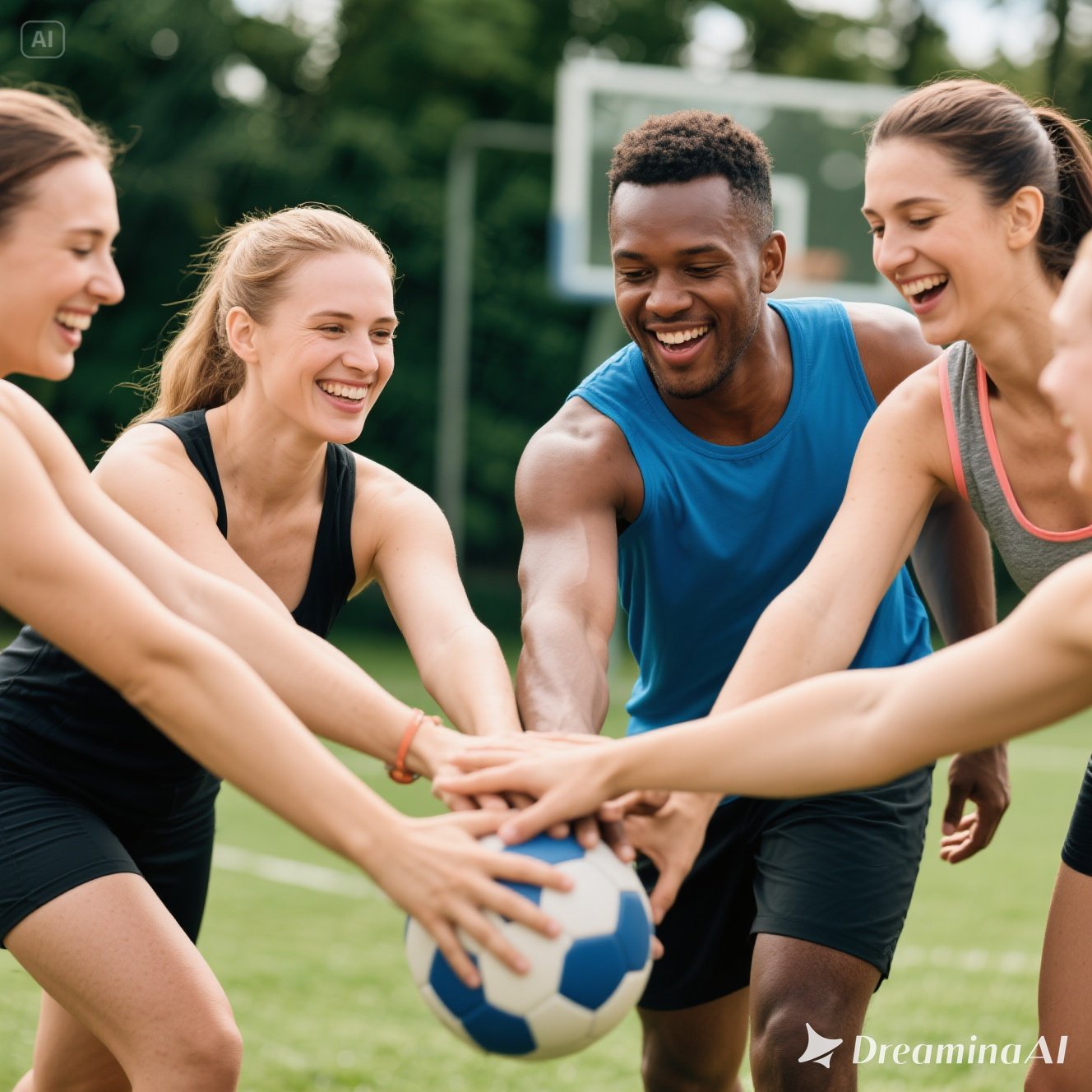
  • Flat-style modern illustration showing a group of people playing soccer, basketball, and jogging together in a park, symbolizing teamwork, motivation, and fitness.
    Why Group Sports Boost Motivation and Fitness Uncategorized
  • A pair of minimalist shoes in a clean modern setting with natural tones and soft lighting.
    Why Minimalist Footwear Is Trending in 2025 Uncategorized
  • Ilustrasi seseorang melakukan stretching dengan diagram otot dan penjelasan ilmiah
    The Science Behind Stretching: Myths vs. Facts Uncategorized
  • Illustration of athletes powered by plant-based diets, featuring fruits, vegetables, and sports icons.
    Why More Athletes Are Turning to Plant-Based Diets Uncategorized
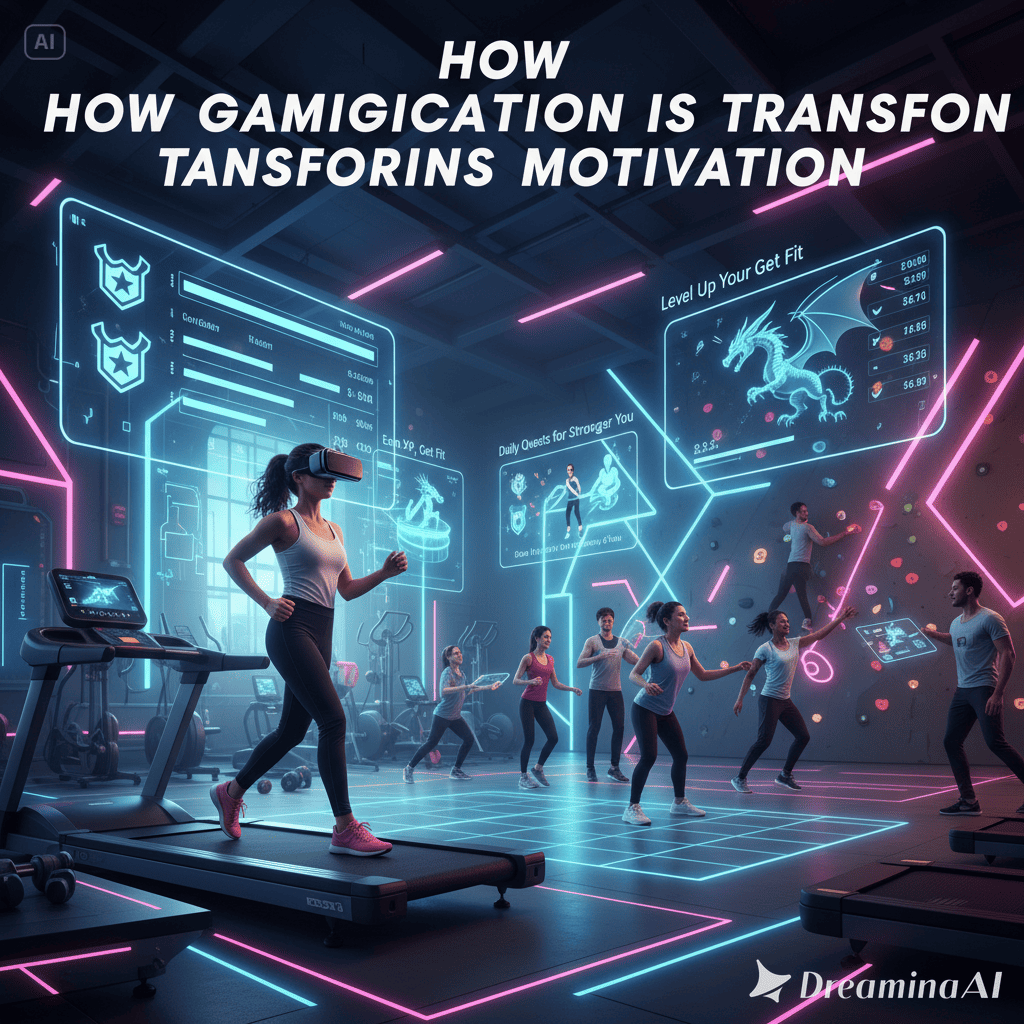
  • A person using VR headset while exercising, with game-like HUD stats showing calories, score, and progress
    How Technology Is Merging Fitness and Gaming Experiences Uncategorized
  • Seorang wanita menulis jurnal kebugaran di meja setelah berolahraga dengan matras dan botol air di sampingnya.
    How Journaling Can Improve Your Fitness Journey Uncategorized

Leave a Reply Cancel reply

Your email address will not be published. Required fields are marked *

  • guatogel

Recent Posts

  • How to Train for Fat Loss Without Losing Muscle
  • Protein Timing: Does It Matter or Is Total Intake Enough?
  • Creatine for Fitness: Benefits, Myths, and How to Take It Safely
  • Foam Rolling: What It Helps, What It Doesn’t, and How to Use It
  • How to Improve Your VO2 Max Without Overcomplicating Training

Recent Comments

  1. GUATOGEL on Best Outdoor Activities for Families in 2025
  2. emilly on The Connection Between Sports and Longevity
  • Athlete stretching and warming up before training to prevent sports injuries.
    How to Prevent Sports Injuries Effectively Uncategorized
  • People surfing and practicing yoga on a sunny coastal beach, blending sports and relaxation.
    Coastal Lifestyle: Blending Sports and Relaxation Uncategorized
  • People working out at an outdoor gym in a park with fitness equipment.
    Why Outdoor Gyms Are the Future of Fitness Uncategorized
  • Athlete performing a controlled deep lunge with weights, illustrating strength and mobility.
    Why Strength Mobility Is the Next Big Trend in Training Uncategorized
  • Illustration of top recovery gadgets for athletes in 2025 including massage guns, compression boots, and smart wearables.
    Inspiring Stories of Athletes Who Promote Wellness Uncategorized
  • Collage of hydration essentials: water bottle, athlete drinking water, and hydrating fruits.
    The Science of Hydration: Tips for Active Living Uncategorized
  • Ilustrasi siluet seseorang berolahraga dengan visualisasi tubuh ideal dalam bayangan cahaya.
    The Power of Visualization in Achieving Fitness Goals Uncategorized
  • llustration of 2025 fitness trends with wearable tech, yoga, AI training, and eco-friendly fitness icons in a modern design
    Top 10 Fitness Trends to Follow in 2025 Uncategorized

Copyright © 2025 Bahia Sport & Lifestyle.

Powered by PressBook News Dark theme