



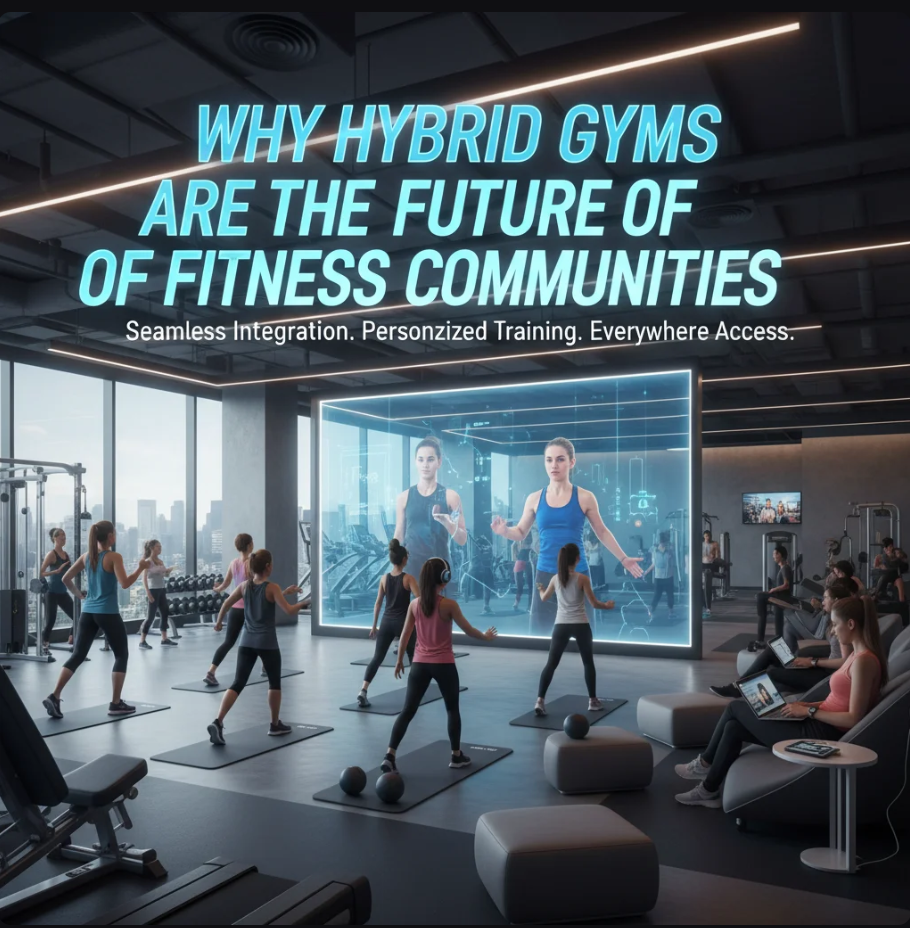
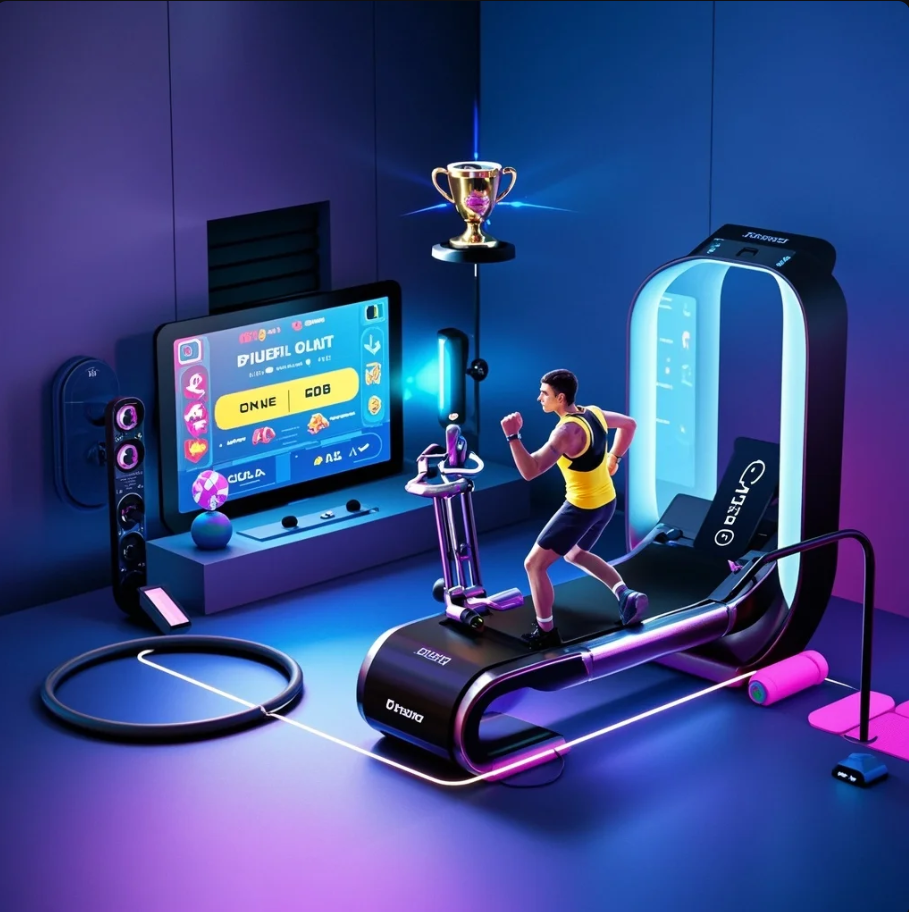
Discover how technology is blending fitness and gaming through VR workouts, wearables, gamification, AI coaching, and social competition—reshaping how people stay active in 2025.
Fitness and gaming used to live in different worlds: one was about discipline and sweat, the other about entertainment and escapism. In 2025, those worlds are colliding—fast. Technology is turning workouts into interactive experiences with scores, quests, avatars, and social competition, making exercise feel less like a chore and more like a game you actually want to play.
This shift isn’t just a fun trend. It’s changing how people build habits, stay consistent, and even define “working out” in everyday life.
1. Why Fitness and Gaming Are Blending Now
Several cultural and tech trends are driving the merge:
- people want workouts that feel engaging, not repetitive
- short attention spans favor interactive experiences
- remote lifestyles increased demand for at-home fitness
- gaming culture normalized leaderboards, daily streaks, and progression
- tech (VR, sensors, AI) is now good enough to track movement accurately
The result: fitness becomes an experience, not just a routine.
2. Gamification: Turning Workouts into Progression Systems
Gamification is the foundation of fitness-game fusion. It adds game mechanics like:
- levels and XP points
- streaks and daily challenges
- badges, achievements, and milestones
- “quests” that guide workout plans
- rewards for consistency, not just intensity
This is powerful because it shifts motivation from willpower to momentum—you keep going because your brain wants to “complete the mission.”
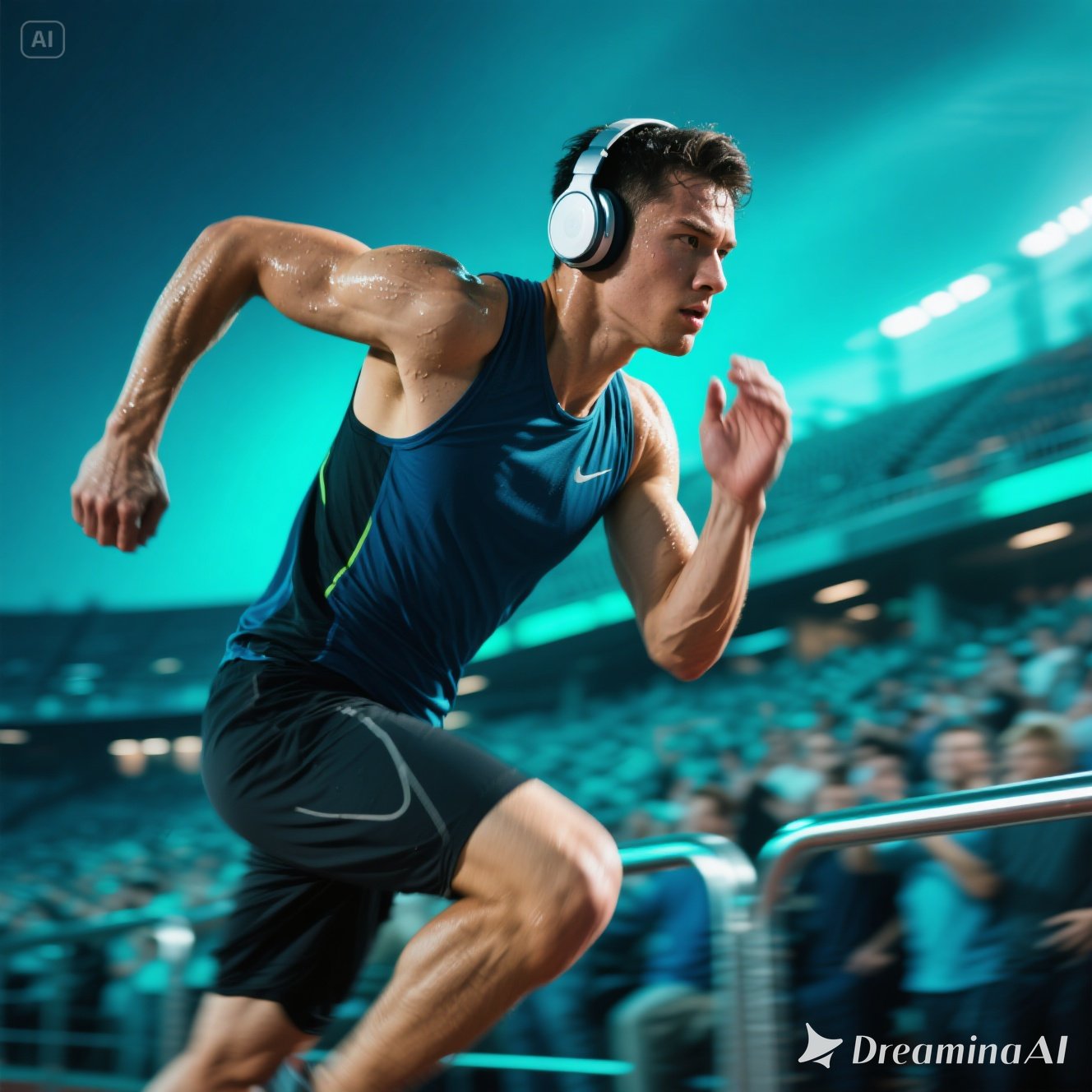
3. Wearables Make Fitness Feel Like a Live Game HUD
Wearables bring real-time feedback—the same way games show health bars and stats.
Modern wearables can track:
- heart rate and heart rate zones
- steps, pace, and distance
- sleep quality and recovery readiness
- stress markers and breathing patterns
- calories and activity intensity
When these metrics appear as dashboards, rings, and progress bars, fitness becomes measurable and game-like. You’re not just “working out,” you’re leveling up your performance.
4. VR Workouts: When Training Becomes Immersion
VR is one of the most exciting bridges between gaming and fitness.
Why VR fitness works:
- it replaces boredom with immersion
- you move naturally through gameplay loops
- intensity sneaks up on you because you’re focused on objectives
- it feels like play, not punishment
VR workouts often include:
- rhythm-based movement
- boxing and cardio combat
- dance-style fitness
- adventure-style challenges and obstacle gameplay
For many users, VR is the first time exercise feels “fun enough to repeat.”
5. Motion Tracking and Sensors: Accuracy Is the Game-Changer
Fitness games only work when the tech can correctly read movement.
In 2025, improvements include:
- better camera-based tracking
- IMU sensors (accelerometer/gyroscope) for precise motion data
- posture detection for safer form
- rep counting and range-of-motion scoring
- real-time feedback on technique
This makes workouts more legitimate, because the “game score” reflects real effort, not random motion.
6. AI Coaching: Personalized Training That Feels Like a Companion
AI is turning fitness into a guided, adaptive experience—similar to having a “smart coach” in-game.
AI-driven systems can:
- adjust workout difficulty based on performance
- offer form correction cues
- personalize goal paths (fat loss, endurance, strength)
- recommend recovery when needed
- keep motivation high using conversational coaching styles
This makes progress feel like a well-designed game: challenge, feedback, improvement, repeat.
7. Social Competition: Leaderboards and Co-Op Fitness
Gaming is social—and fitness is becoming social in the same way.
Fitness platforms increasingly include:
- live classes with real-time rankings
- friend challenges and group streak goals
- community events and “seasonal challenges”
- co-op modes where teams complete targets together
For many people, the social layer is what creates long-term consistency. It’s easier to show up when your friends are part of the journey.
8. Rewards, Economy, and Motivation Loops
Many systems now build motivational loops similar to games:
- unlockable content (new routines, environments, music packs)
- progression-based rewards
- streak protection systems
- challenges tied to events or seasons
When reward systems are designed well, they don’t just keep users hooked—they keep users healthy and consistent.
The key is balancing motivation without creating unhealthy obsession.
9. The Risks: When Fitness Feels Like Pressure
The fitness-gaming merge also has downsides if not managed:
- obsession with streaks and metrics
- guilt when missing a day
- overtraining to “win” leaderboards
- comparing progress too aggressively
The healthiest systems encourage:
- rest as part of progress
- flexible goals
- sustainable intensity
- mental wellbeing alongside physical results
Fitness should feel empowering—not like another stressful competition.
Conclusion
Technology is merging fitness and gaming because it solves a real problem: consistency. By adding immersion, feedback, progression, and community, workouts become more engaging and repeatable. Wearables turn your body into live stats, VR turns cardio into play, and AI shifts training from generic routines to personalized journeys.
In 2025, the future of fitness isn’t just about equipment—it’s about experiences that make movement feel rewarding, social, and genuinely fun.
Recommend :