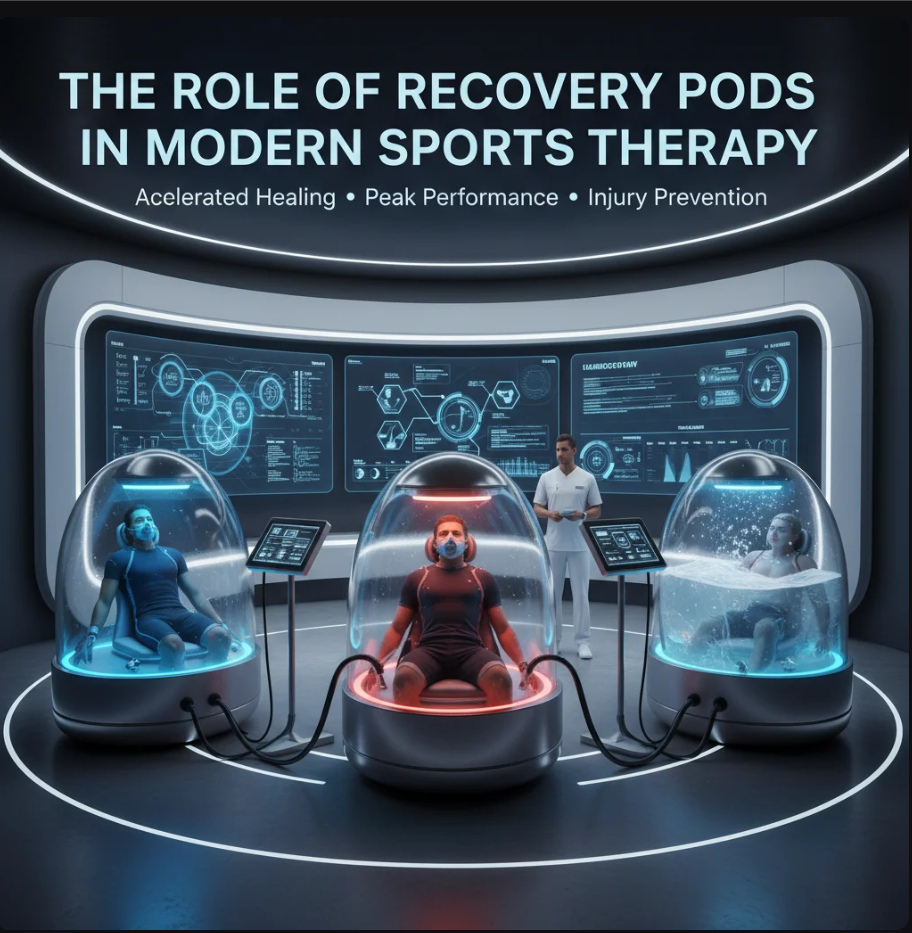








Discover how AI-powered training plans are revolutionizing fitness with personalized, adaptive, and data-driven workouts for optimal performance and recovery.
The fitness industry is undergoing a massive digital transformation.
What used to rely on generic workout programs and one-size-fits-all diets is now evolving into a hyper-personalized fitness experience, thanks to Artificial Intelligence (AI).
AI-powered training plans are redefining how people exercise — providing customized, adaptive, and data-driven workouts that evolve with each individual’s progress, goals, and lifestyle.
This technology isn’t just about convenience; it represents the future of health optimization for athletes and everyday fitness enthusiasts alike.
1. From Generic Workouts to Intelligent Training
Traditional fitness programs often follow rigid structures. They don’t account for variables like energy levels, recovery, sleep, or even mood.
AI changes this by collecting and analyzing data from wearables, smart devices, and fitness apps to create dynamic, personalized training plans.
Key advantages:
- AI continuously adapts routines based on your performance and feedback.
- It tracks biometrics like heart rate, calorie burn, and muscle fatigue.
- It adjusts intensity in real time to avoid injury and optimize recovery.
Instead of following a fixed plan, AI allows you to train smarter — not just harder.
2. How AI-Powered Fitness Systems Work
At the heart of AI fitness platforms is machine learning, which processes thousands of data points to understand how your body responds to training.
These systems integrate information from:
- Smartwatches and fitness bands.
- Health apps tracking sleep, nutrition, and hydration.
- Motion sensors that analyze form and technique.
Using this data, AI builds a comprehensive personal fitness profile, identifying trends, predicting fatigue, and recommending adjustments to keep your progress consistent.
Some platforms even use computer vision to monitor posture and form in real-time, offering instant corrections — just like a personal trainer would.
3. Personalized Training Like Never Before
AI doesn’t just generate workout plans; it understands the user holistically.
Every individual’s training regimen is influenced by multiple factors — genetics, recovery, stress, and motivation level.
AI-driven personalization includes:
- Goal-based customization: Whether you want to build muscle, lose fat, or improve endurance, AI selects the best methods for your physiology.
- Adaptive progression: If you’re fatigued or under-recovered, the system automatically modifies your workout intensity.
- Behavioral insights: By analyzing consistency and engagement, AI learns what motivates you and tailors routines to sustain long-term commitment.
In short, your training plan becomes a living, evolving system — always aligned with your body’s current state.
4. Integration with Nutrition and Recovery
The future of fitness personalization extends beyond exercise.
AI is now being used to synchronize workout, nutrition, and recovery cycles for maximum efficiency.
Examples of AI integration:
- Suggesting meal plans based on calorie expenditure and macronutrient needs.
- Tracking hydration levels through wearable sensors.
- Scheduling rest days based on HRV (Heart Rate Variability) and sleep quality.
These insights make AI a 360° fitness companion, guiding users toward a balanced lifestyle rather than isolated workout success.
5. Virtual Coaches and Real-Time Feedback
AI-powered virtual trainers are becoming the new standard in fitness technology.
Unlike traditional apps, these systems speak, respond, and adapt to your every move.
Features include:
- Voice-guided coaching for motivation and correction.
- Form detection using smartphone or camera-based AI.
- Gamified progress tracking to enhance engagement and consistency.
Virtual coaches combine the personal touch of a human trainer with the precision of machine analytics — available anytime, anywhere.
6. The Role of Data Privacy and Ethics
As fitness platforms collect increasingly detailed health data, privacy and ethical use become crucial concerns.
Responsible AI systems must ensure:
- Secure encryption for user biometrics and location data.
- Transparency about how data is collected and used.
- Option for user control over sharing and deletion preferences.
Ethical AI not only builds trust but also ensures that fitness technology remains empowering, not intrusive.
7. The Future Outlook: Predictive Health and Longevity
In the coming years, AI fitness systems will evolve beyond training into preventive healthcare tools.
By analyzing subtle physiological changes, they’ll be able to predict:
- Overtraining risks.
- Potential injuries.
- Early signs of illness or imbalance.
Imagine a future where your fitness app alerts you before your immune system weakens, or before burnout hits — allowing you to adjust lifestyle habits before problems arise.
The future of fitness isn’t just about performance; it’s about longevity, sustainability, and self-awareness.
Conclusion
AI-powered training plans are redefining what it means to stay fit in the digital age.
By combining personalization, real-time feedback, and predictive insights, they transform exercise from a routine into a data-driven, intelligent experience.
This evolution marks a new era — where fitness is no longer reactive, but proactive, adaptive, and deeply personal.
The future of personalized fitness isn’t about following trends — it’s about understanding your body better than ever before, with the help of AI.
Recommend :