
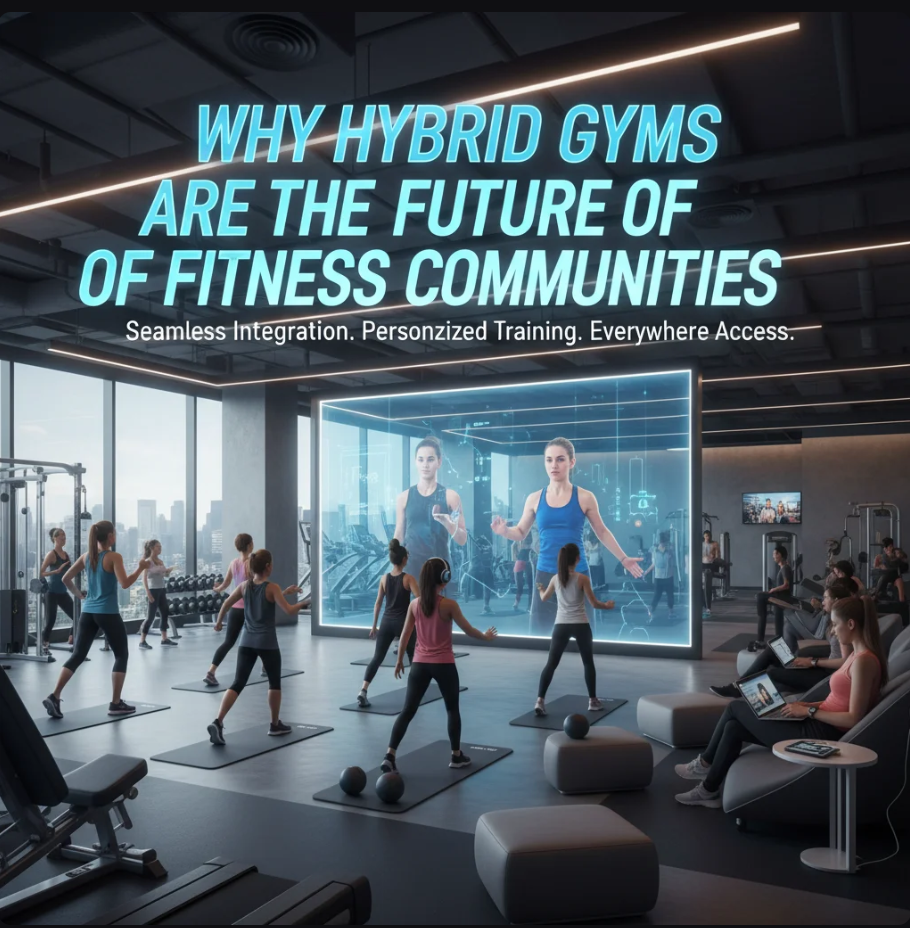







Discover why cities around the world are investing in public fitness parks. Learn how outdoor gyms promote health, sustainability, and community engagement.
Across the world, cities are redefining the concept of urban wellness.
From Asia to Europe and North America, public fitness parks are emerging as a powerful symbol of health-oriented city planning.
These open spaces, equipped with outdoor gym equipment and recreational areas, are designed to make fitness accessible to everyone — anytime, anywhere.
As urban populations grow and sedentary lifestyles increase, more local governments are realizing that promoting physical activity is not just a health issue — it’s a social investment.
This article explores why cities are investing in public fitness parks, how they benefit communities, and what the trend means for the future of urban living.
1. The Rise of the Urban Wellness Movement
Modern cities are facing a paradox: while technology and convenience make life easier, they also contribute to physical inactivity.
Public health experts have identified sedentary lifestyles as one of the top global health risks, linked to obesity, diabetes, and cardiovascular diseases.
In response, many cities are turning public spaces into fitness-friendly environments — integrating exercise zones, jogging tracks, and community gyms into parks and recreational areas.
This movement aligns with a global shift toward preventive healthcare and urban well-being, where fitness is viewed as a right, not a luxury.
2. Accessibility: Making Fitness Universal
One of the greatest strengths of public fitness parks is universal access.
Unlike private gyms that require membership fees, these parks are free, inclusive, and open to people of all ages and backgrounds.
Key accessibility features include:
- Outdoor gym stations with equipment powered by body weight.
- Multi-generational areas for seniors, adults, and children.
- Wheelchair-accessible designs for users with mobility challenges.
- Strategic locations near residential zones and public transportation hubs.
By breaking financial and social barriers, fitness parks make health an achievable goal for everyone.
3. Community Engagement and Social Connection
Public fitness parks are not just about exercise — they’re about community building.
They foster a sense of belonging, encourage interaction, and transform urban spaces into hubs of social wellness.
Sociological studies show that people are more likely to maintain healthy habits when they exercise in a social environment.
Fitness parks encourage:
- Group workouts and outdoor classes.
- Family activities that blend recreation with fitness.
- Informal support networks among regular visitors.
In many cities, local governments collaborate with fitness instructors, NGOs, and wellness startups to organize free weekly sessions, turning parks into dynamic centers of public engagement.
4. Economic and Environmental Benefits
Investing in public fitness parks offers a high return on investment — not only in terms of public health but also economics and sustainability.
a. Reducing Healthcare Costs
Regular exercise helps prevent chronic diseases, which translates into significant long-term savings in public healthcare expenditure.
b. Revitalizing Underused Spaces
Transforming neglected areas into vibrant parks improves property values and local economies.
Neighborhoods with accessible green spaces often see higher community satisfaction and reduced crime rates.
c. Supporting Green Urban Planning
Public fitness parks promote eco-friendly design by integrating solar-powered lighting, recycled materials, and natural landscaping.
They represent a sustainable model of urban development that benefits both people and the planet.
5. Encouraging Preventive Health Behavior
Cities are increasingly adopting the philosophy that prevention is better than cure.
Fitness parks play a vital role in promoting daily physical activity as a routine part of life, rather than an expensive commitment.
Examples of this preventive approach:
- Installing heart rate monitoring stations for health tracking.
- Introducing QR code workouts, where users scan codes for guided exercises.
- Partnering with healthcare providers for wellness awareness campaigns.
The result: healthier citizens, lower stress levels, and a more active urban population.
6. Global Examples of Successful Fitness Park Initiatives
a. Singapore
The city-state’s “ActiveSG” program includes hundreds of outdoor gyms across neighborhoods, encouraging fitness as part of national culture.
b. Barcelona, Spain
The “Healthy Parks, Healthy People” initiative integrates workout zones into scenic waterfront parks, blending tourism and wellness.
c. Seoul, South Korea
Seoul’s riverside fitness parks along the Han River attract thousands of residents daily, featuring modern outdoor equipment and smart exercise technology.
d. New York City, USA
The “Shape Up NYC” project provides free fitness classes and outdoor gyms in public parks, promoting inclusivity in physical wellness.
Each of these cities demonstrates how strategic urban planning can transform public spaces into engines of health and happiness.
7. The Role of Technology in Modern Fitness Parks
The future of public fitness spaces lies in smart technology integration.
Modern parks are evolving beyond static equipment, using data and interactivity to enhance engagement.
Innovations include:
- Smart exercise machines that track performance and sync with mobile apps.
- AR-guided workouts for interactive training experiences.
- Energy-harvesting equipment that generates electricity from user motion.
These advancements make fitness parks more engaging while aligning with sustainable smart city initiatives.
8. Challenges and Considerations
While public fitness parks offer numerous benefits, cities must also address potential challenges:
- Maintenance costs: Equipment and safety checks require consistent funding.
- Weather limitations: Outdoor environments may discourage year-round use.
- Inclusivity gaps: Ensuring equitable distribution across all urban areas remains essential.
To sustain long-term success, municipalities need strong partnerships with private sponsors, community groups, and local governments to maintain both physical infrastructure and social engagement.
Conclusion
The rise of public fitness parks represents a transformative shift in urban design and public health policy.
By investing in open, accessible spaces for physical activity, cities are nurturing healthier citizens and stronger communities.
More than just gyms without walls, these parks embody a vision of inclusive wellness, sustainable living, and social connection — core pillars of the modern city.
As more urban centers embrace this model, public fitness parks will continue to shape the future of active, resilient, and health-conscious societies.
Recommend :